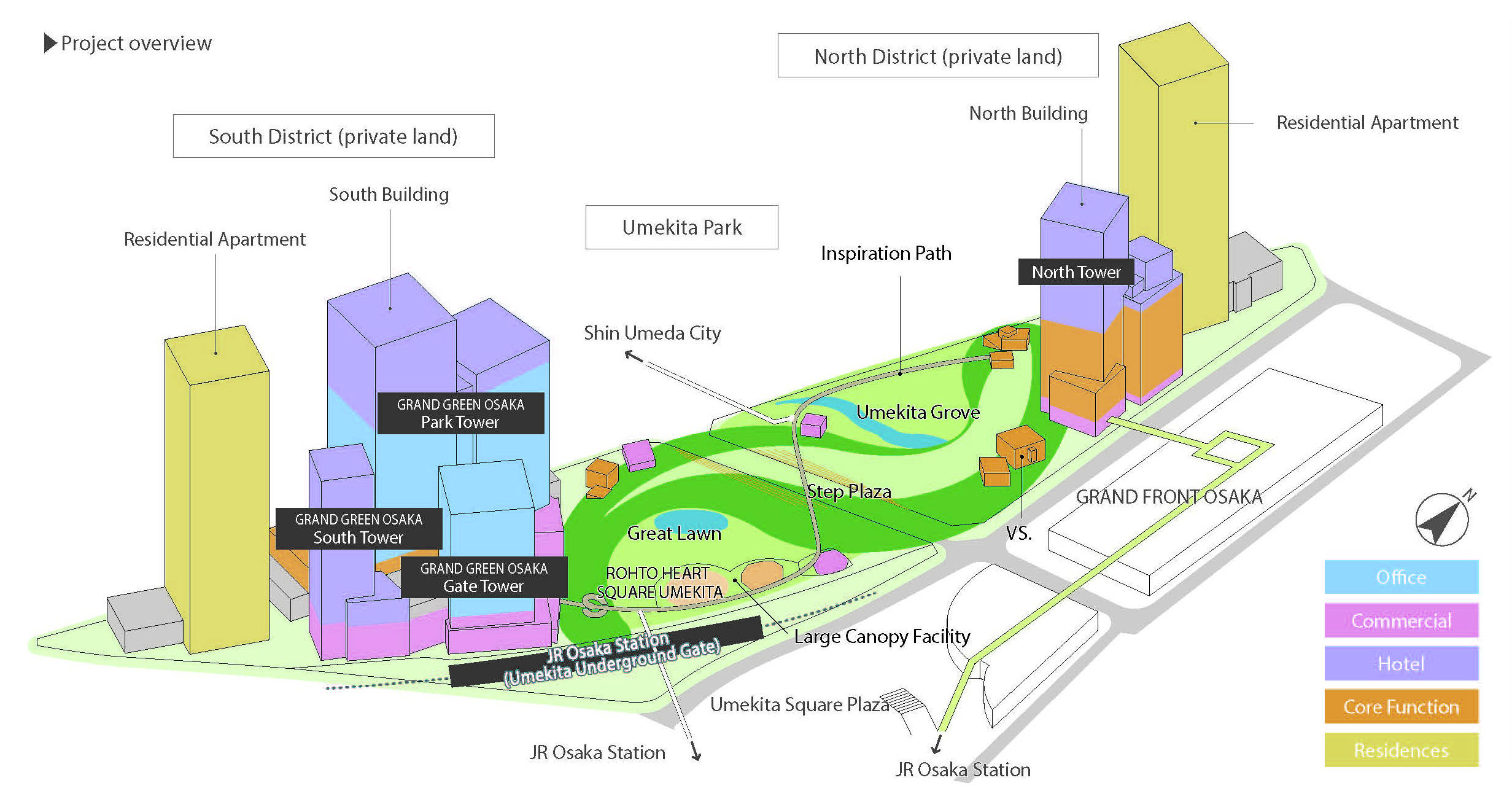
Grand Green Osaka is a new model of landscape-led urban development, where a former freight yard has been transformed into a dense mix of parkland, innovation enterprises, commercial and residential programs. Positioned as both a civic green and a driver of economic ambition, the project raises a larger question: can privately led developments truly deliver public space in contemporary Japanese cities?
Grand Green Osaka is a new model of landscape-led urban development, where a former freight yard has been transformed into a dense mix of parkland, innovation enterprises, commercial and residential programs. Positioned as both a civic green and a driver of economic ambition, the project raises a larger question: can privately led developments truly deliver public space in contemporary Japanese cities?
Grand Green Osaka is a new model of landscape-led urban development, where a former freight yard has been transformed into a dense mix of parkland, innovation enterprises, commercial and residential programs. Positioned as both a civic green and a driver of economic ambition, the project raises a larger question: can privately led developments truly deliver public space in contemporary Japanese cities?
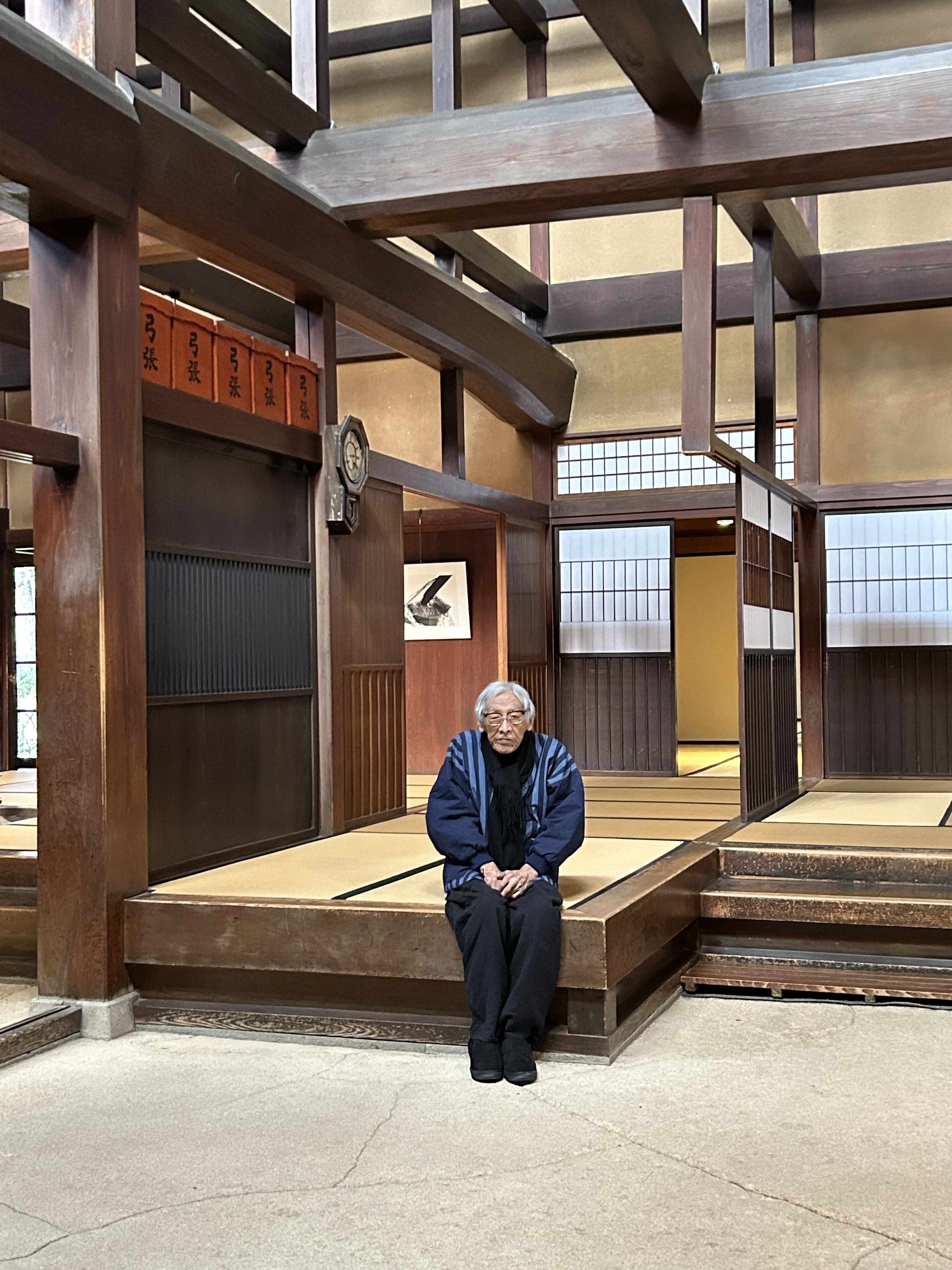
The relationship between architect Tadao Yoshijima and historian Teiji Itoh reveals how an overlooked house in Takayama became the unlikely center of a wider rediscovery of Japan’s minka tradition and postwar architectural thought. This prologue traces the improbable beginnings of that encounter.
The relationship between architect Tadao Yoshijima and historian Teiji Itoh reveals how an overlooked house in Takayama became the unlikely center of a wider rediscovery of Japan’s minka tradition and postwar architectural thought. This prologue traces the improbable beginnings of that encounter.
The relationship between architect Tadao Yoshijima and historian Teiji Itoh reveals how an overlooked house in Takayama became the unlikely center of a wider rediscovery of Japan’s minka tradition and postwar architectural thought. This prologue traces the improbable beginnings of that encounter.
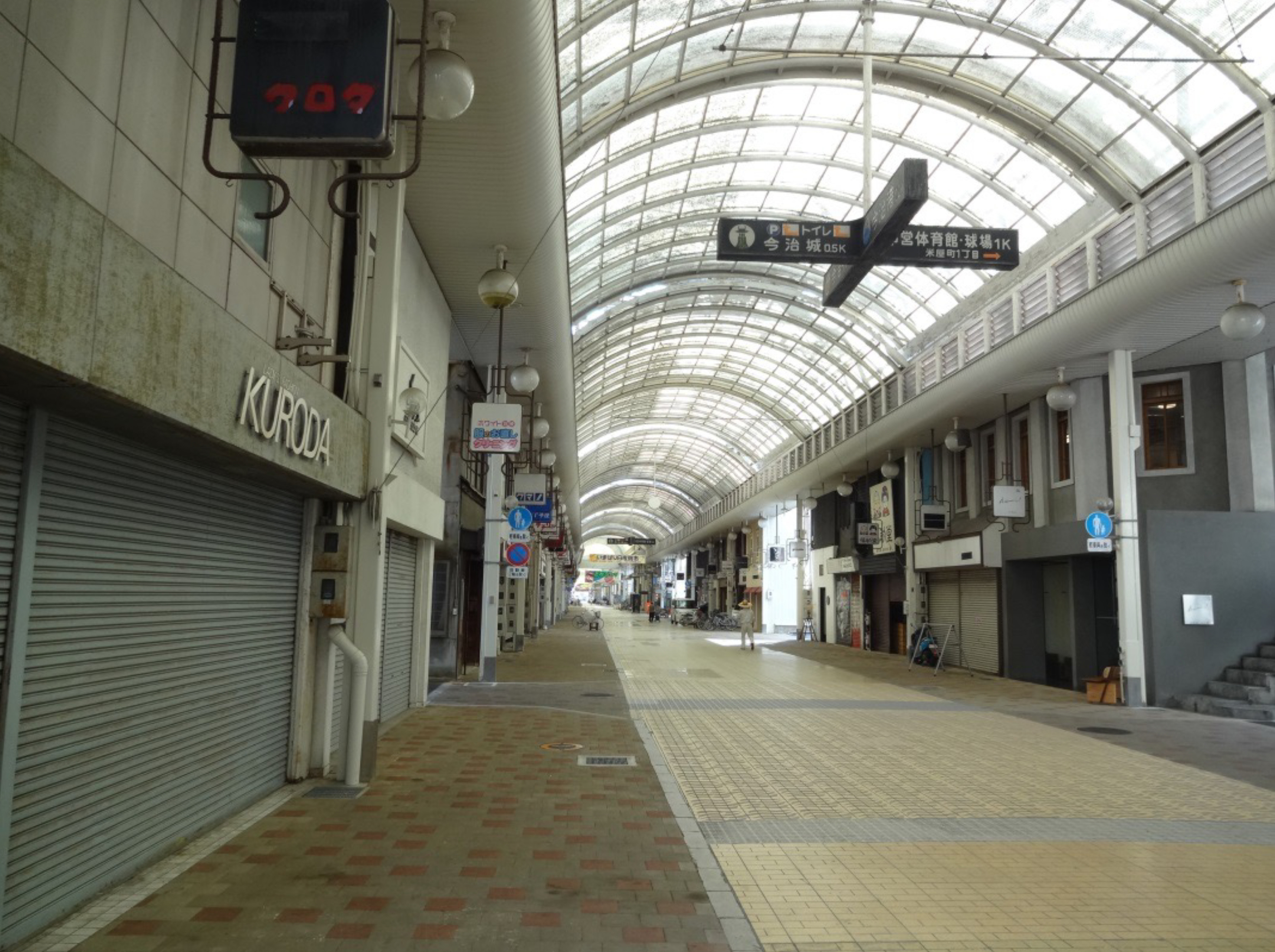
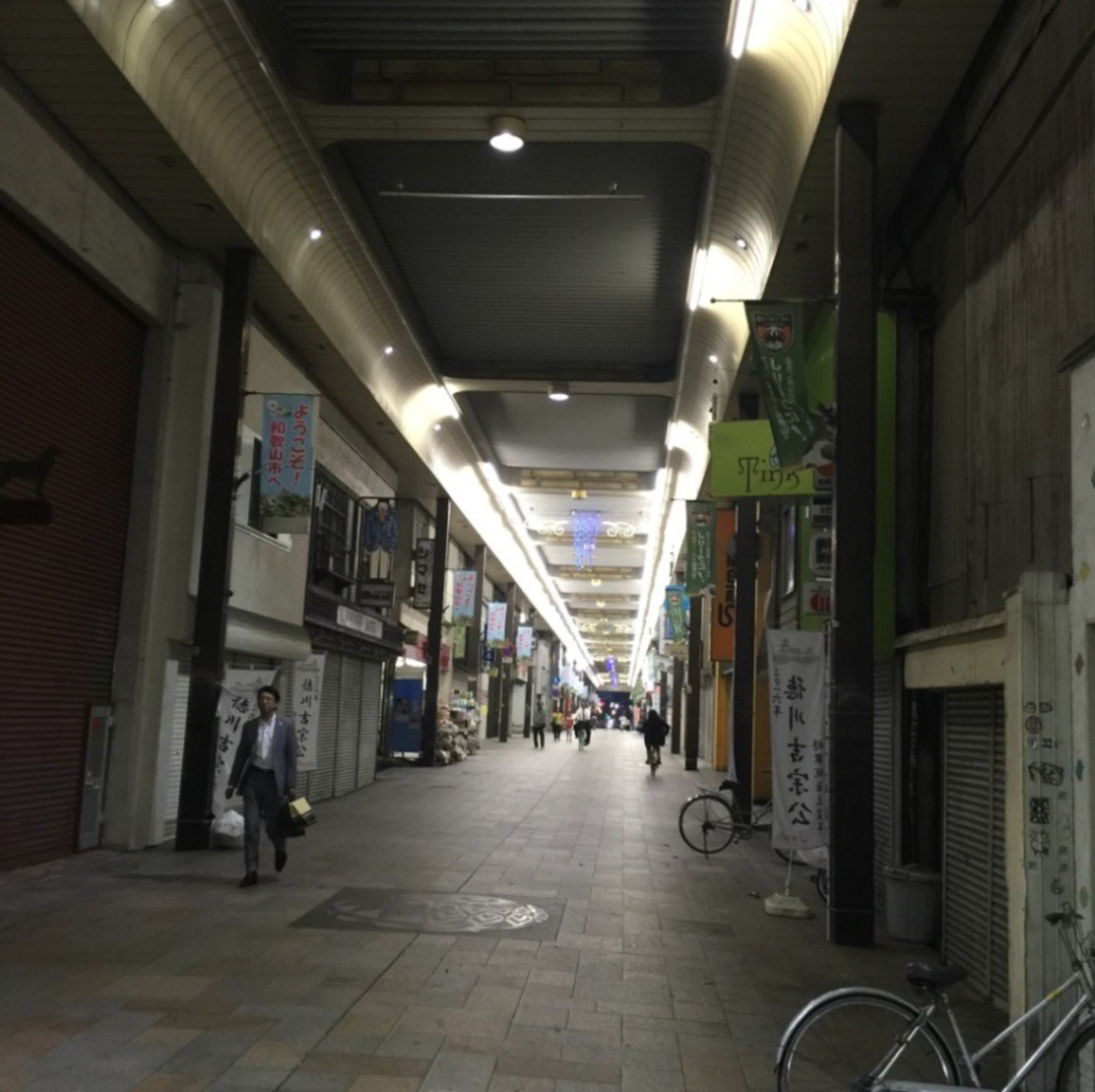
Political scientist and philosopher Yoshinori Hiroi sees the shrinking and aging of Japan as an opportunity to redefine and reform its cities. Social ties around the elderly and children, or the “community-oriented population,” will be the key to this reformation.
Political scientist and philosopher Yoshinori Hiroi sees the shrinking and aging of Japan as an opportunity to redefine and reform its cities. Social ties around the elderly and children, or the “community-oriented population,” will be the key to this reformation.
Political scientist and philosopher Yoshinori Hiroi sees the shrinking and aging of Japan as an opportunity to redefine and reform its cities. Social ties around the elderly and children, or the “community-oriented population,” will be the key to this reformation.
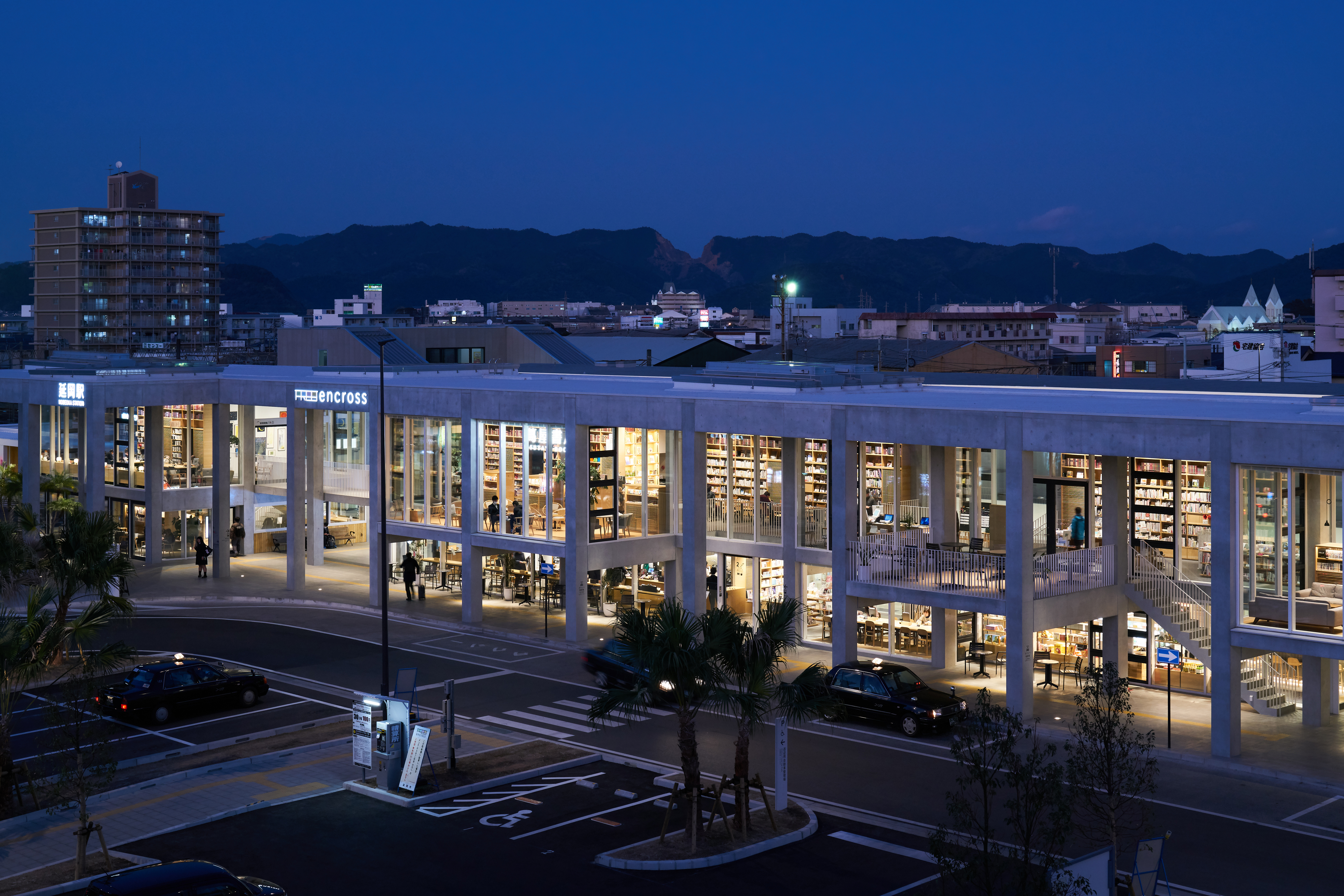
As a result of her deep engagement in the regeneration of regional cities, architect Kumiko Inui has come to recognize new hints toward a solution for the urban dilemmas that appear unsolvable in a metropolis like Tokyo.
As a result of her deep engagement in the regeneration of regional cities, architect Kumiko Inui has come to recognize new hints toward a solution for the urban dilemmas that appear unsolvable in a metropolis like Tokyo.
As a result of her deep engagement in the regeneration of regional cities, architect Kumiko Inui has come to recognize new hints toward a solution for the urban dilemmas that appear unsolvable in a metropolis like Tokyo.
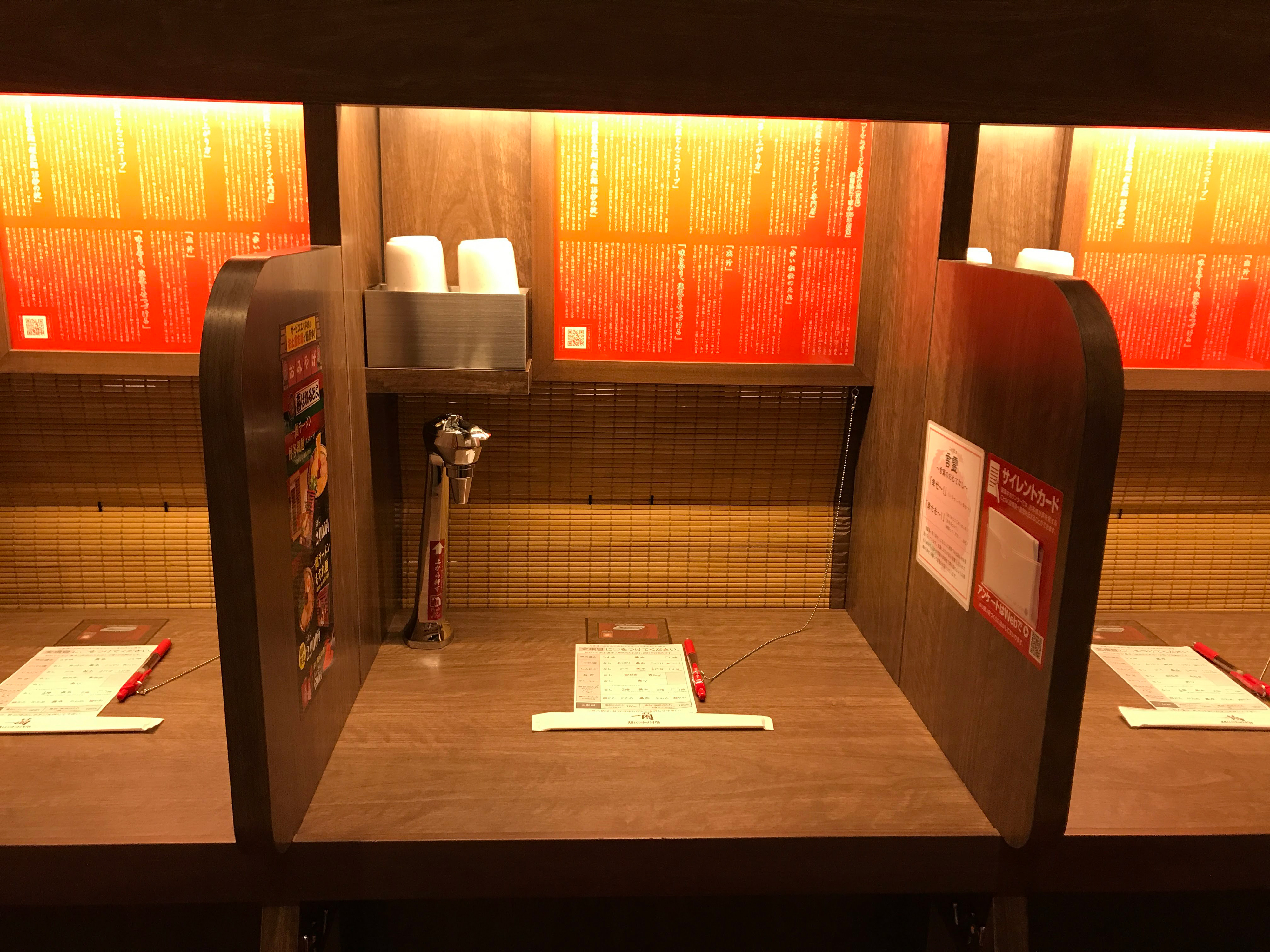
Sociologist Yoshikazu Nango takes a close look at the proliferation of personal spaces in large cities. For Nango, the solution to this common social challenge may be found at its roots, in Japanese cultural tradition.
Sociologist Yoshikazu Nango takes a close look at the proliferation of personal spaces in large cities. For Nango, the solution to this common social challenge may be found at its roots, in Japanese cultural tradition.
Sociologist Yoshikazu Nango takes a close look at the proliferation of personal spaces in large cities. For Nango, the solution to this common social challenge may be found at its roots, in Japanese cultural tradition.