Hiroshi Hara, translated by The Japan Story Project Team
Lesson 4: Stand Separately
Plan every possible part. Design every possible part.
A style which seems to have arisen by chance, a nonchalant air, and an appearance of spontaneity are all outcomes of a thoroughly calculated design.
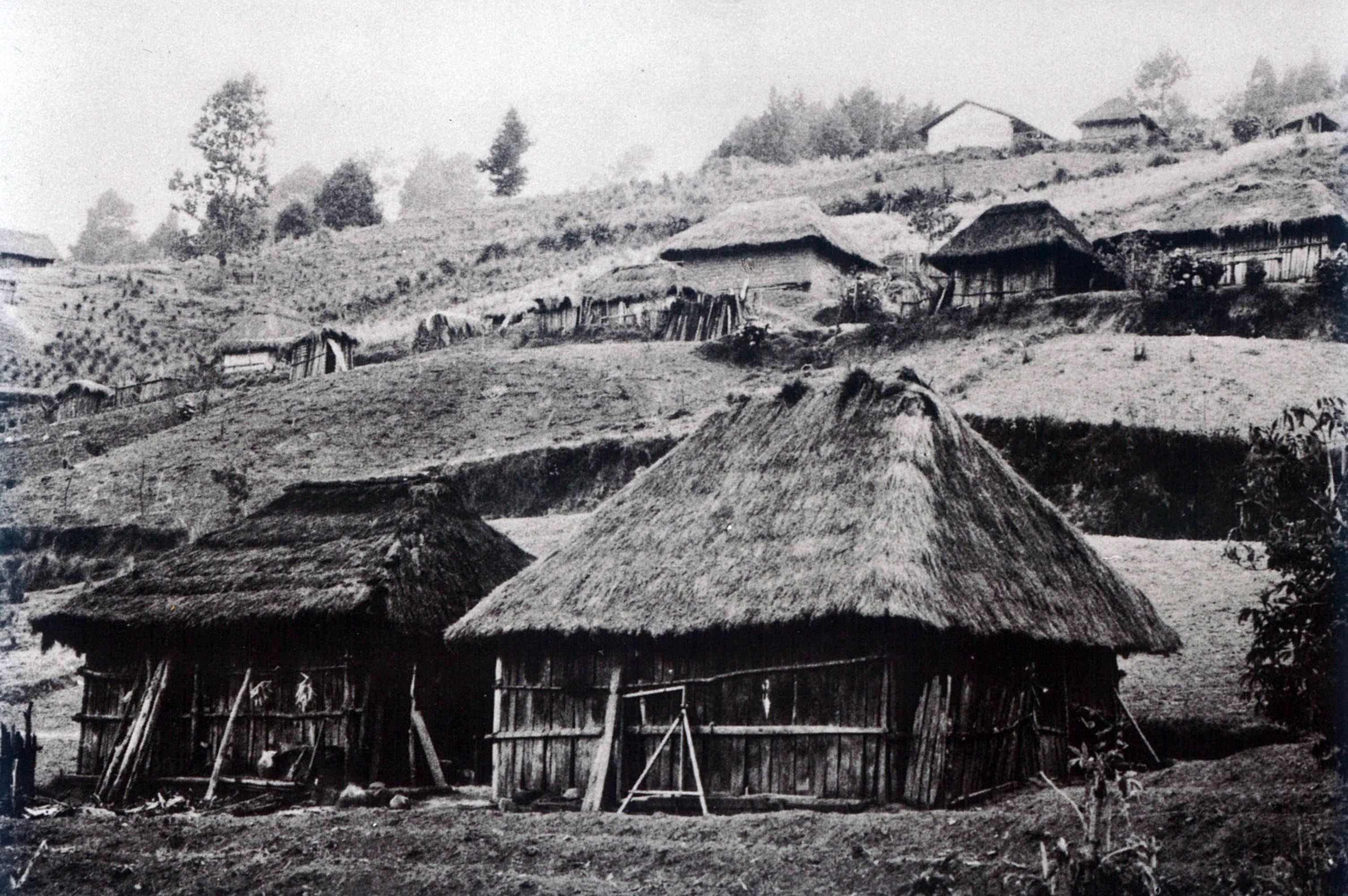
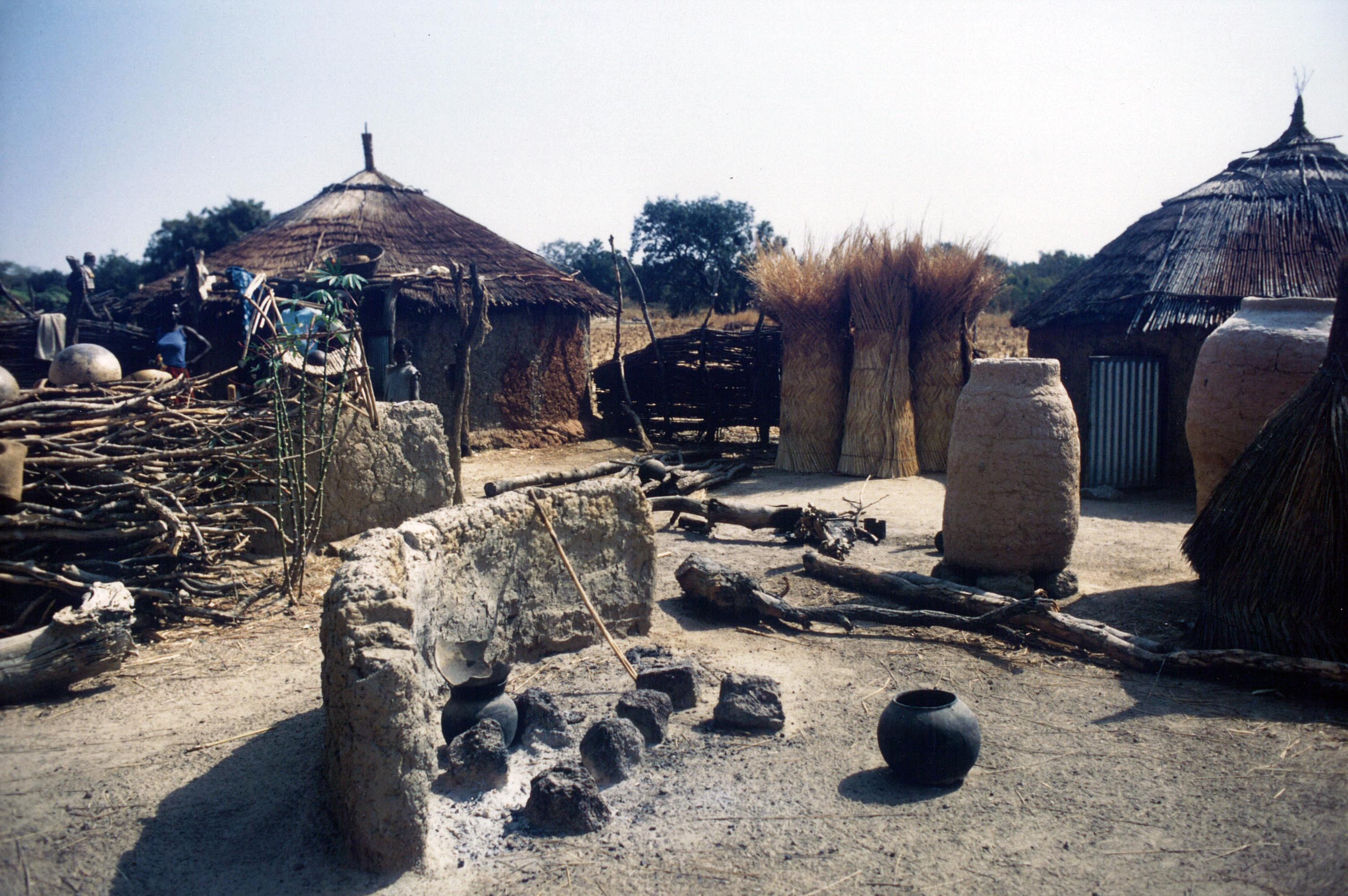
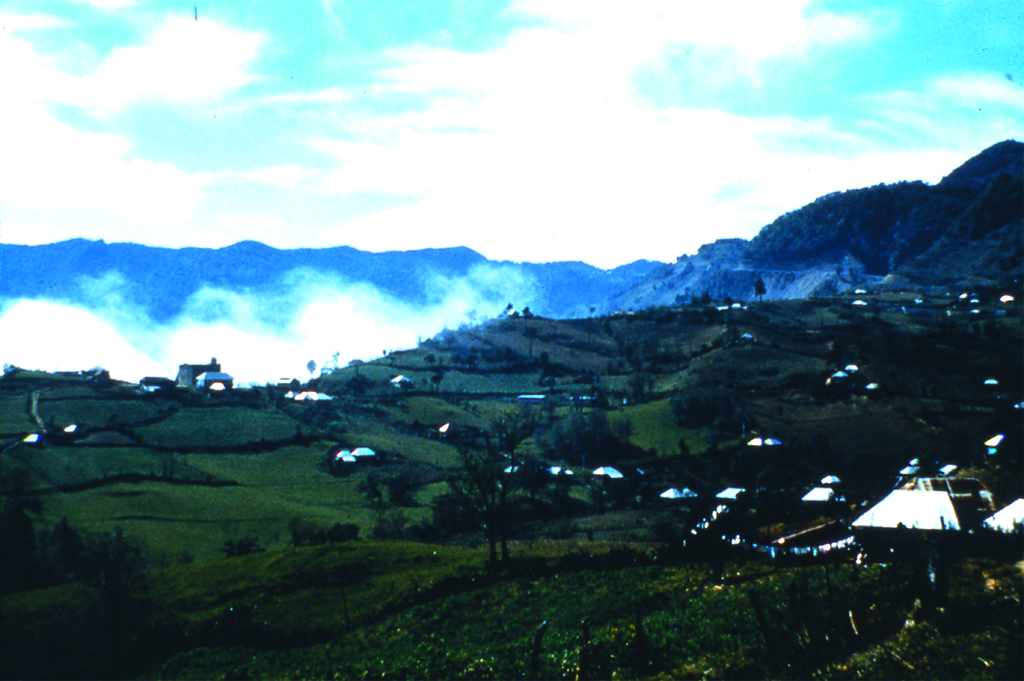
Villages are often described as having been created spontaneously. Yet, from the basic forms determined by the arrangement of elements such as dwellings and public facilities, down to details that appear to be the outcome of mere coincidence, one can rather consider them to be highly planned. The more one studies villages, the more this sense of intentionality becomes evident.
However, in this case, not all parts are necessarily rationally determined, nor is a rational solution uniquely fixed. Therefore, concepts like planning or design intent must be interpreted broadly.
What villages teach us about the “part” is that it is always a meaningful part. A part can contain smaller parts within it, or the commonalities between or sums of parts can also be a part. The collection of such parts constitutes the “whole.” From this interpretation, even what is usually called the “whole” is itself just another part.
When one observes these parts, even outcomes that seem to have come about by chance begin to reveal the intentions of those who created them.
In our own design practice, it is of course impossible to design every part exhaustively. Therefore, it becomes an essential task to determine which parts we assign meaning to, and what we define as a meaningful part.
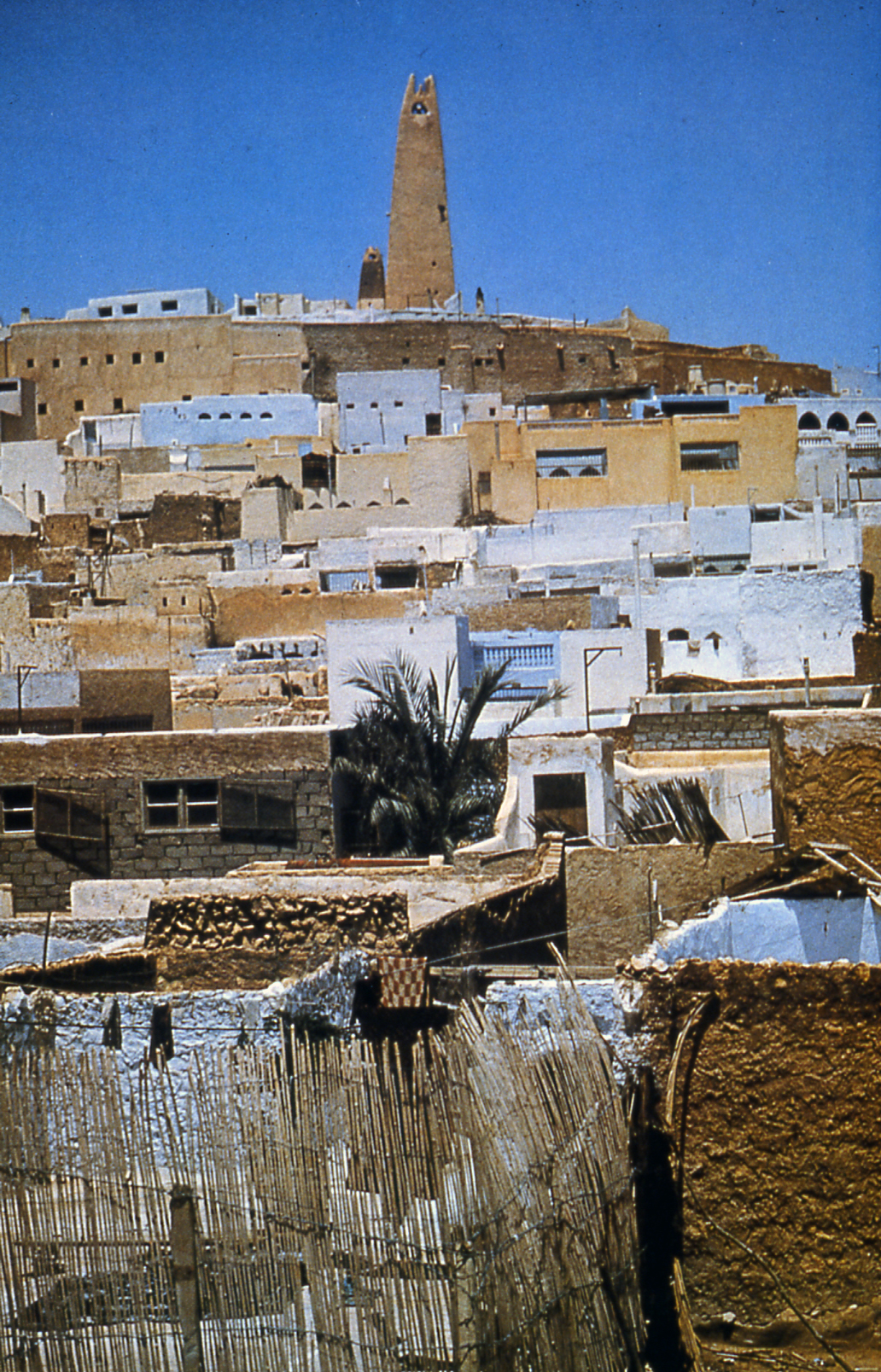
The photograph shows Ghardaia, a small city in the M’zab Valley. Upon encountering this cluster of small towns, we began our study of the villages.
Ghardaia, Algeria. Photographed during a village survey in 1972; some villages documented no longer exist. © Hara Lab, Institute of Industrial Science, The University of Tokyo.
The text and accompanying images were originally published in One Hundred Lessons from Villages (Shokokusha, 1998) by Hiroshi Hara. The translation and publication on JapanStory.org was made possible with permission from Atelier Φ and the publisher of the original work, Shokokusha Publishing Co., Ltd.