Hiroshi Hara, translated by The Japan Story Project Team
Lesson 1: Every Possible Part
Build a village within a village. Build a house within a house.
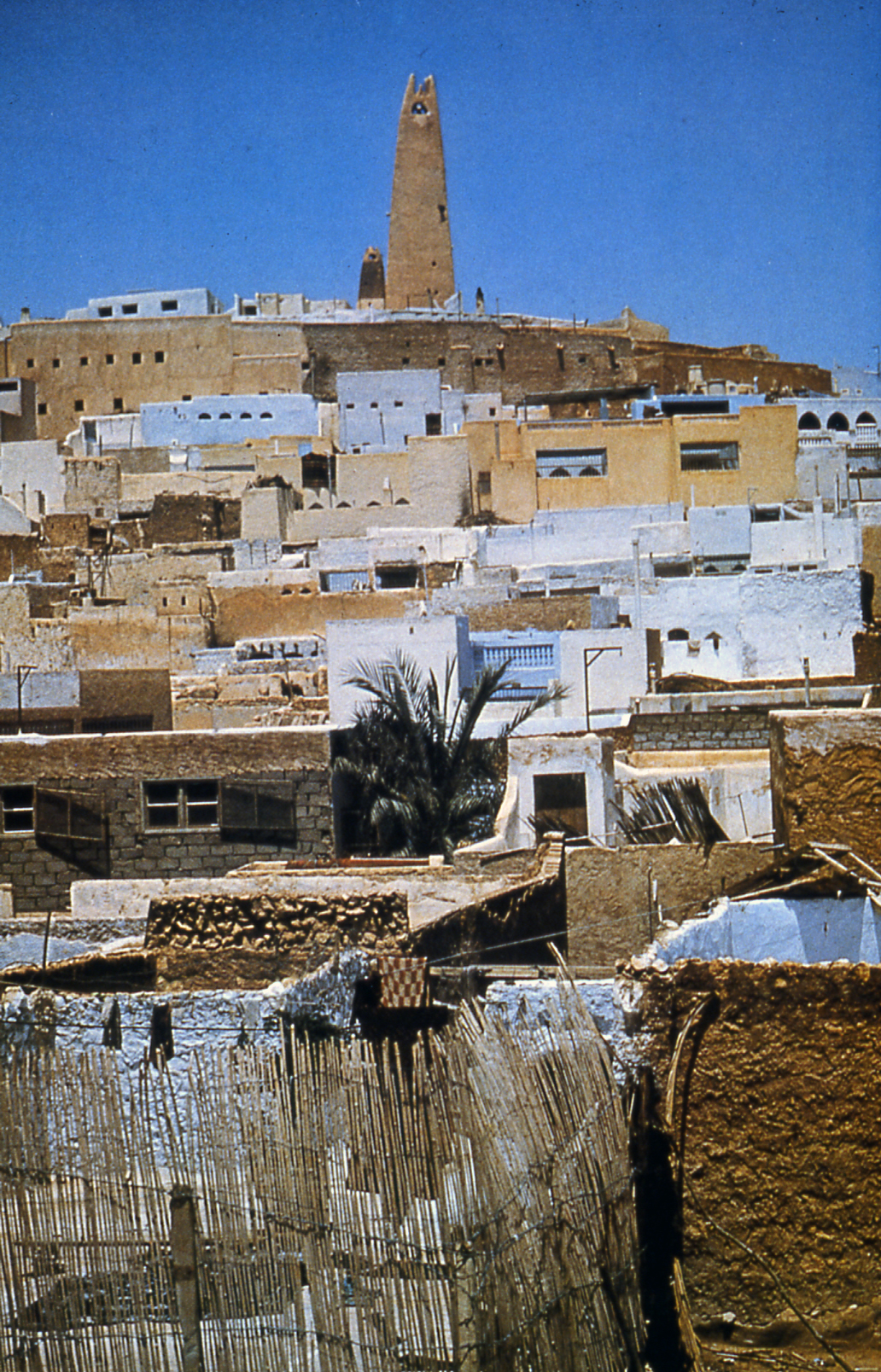
In the Maghreb, one finds old cities—the medinas—nested within present-day cities, and within them, yet smaller zones known as kasbahs. Such centripetal spaces, which have grown while enclosing themselves with walls, also possess these temporal and multilayered structures. The earliest built portions may be thought of as cities within cities. In places like the small towns of the M’zab Valley, such multilayered compositions form cities within cities within cities—a kind of nested or self-similar structure (self-similarity).
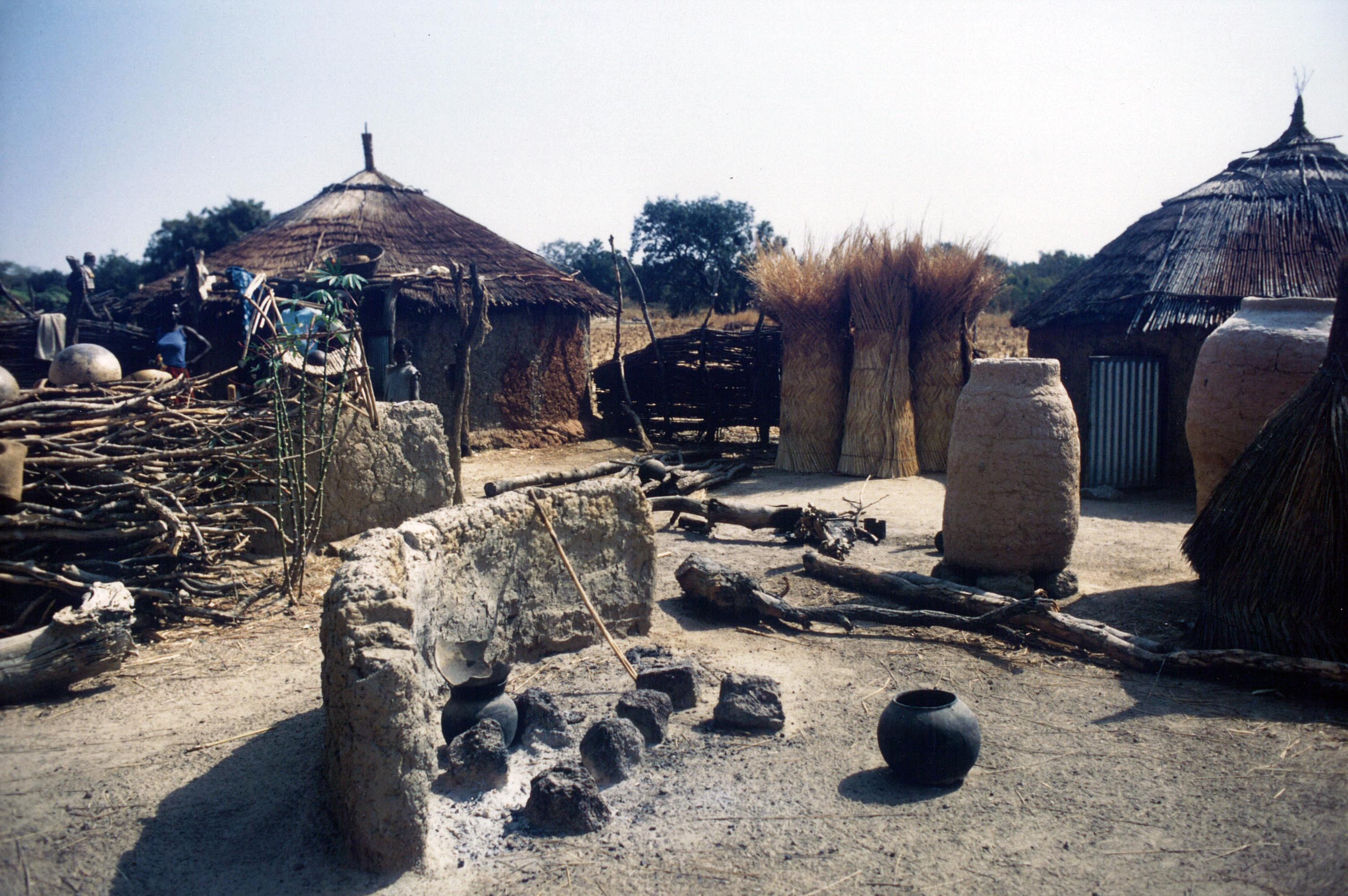
At the level of the dwelling, when a house attains a high degree of autonomy—as in the house that contains everything—each dwelling or group of dwellings can itself feel like a house within a house. In the compound houses of West Africa, for instance, the composition is so intricate that only through drawn plans can one fully grasp their spatial organization. In this sense, self-similarity may be understood as a kind of order within complexity.
Le Corbusier’s Modulor aimed for a proportional system that maintained the golden ratio across multiple scales of dimension—this too is an example of self-similarity.
To realize a house within a house, one must first construct, as in the African compounds, a village within a house. If we call the act of placing something large within something small embedding, then embedding can be considered one manifestation of self-similarity.
The photograph and drawing show a dwelling in a West African savanna village. A longing for circularity is manifest both in the individual buildings and in their overall arrangement. Such geometric patterns resemble celestial diagrams drawn in the Islamic world or medieval Europe—evidence, perhaps, of what might be called a “cosmology of the dwelling.”
Bogue, Burkina Faso. Photographed during a village survey in 1978-79; some villages documented no longer exist. © Hara Lab, Institute of Industrial Science, The University of Tokyo.
The text and accompanying images were originally published in One Hundred Lessons from Villages (Shokokusha, 1998) by Hiroshi Hara. The translation and publication on JapanStory.org was made possible with permission from Atelier Φ and the publisher of the original work, Shokokusha Publishing Co., Ltd.