Hiroshi Hara, translated by The Japan Story Project Team
Lesson 1: Every Possible Part
Design the air.
The world has many kinds of air. This is something people intuitively feel, as evidenced by the phrase "move for a change of air." Each village possesses its own unique air, supported not only by physical factors such as temperature and humidity but also deeply related to light and sound.
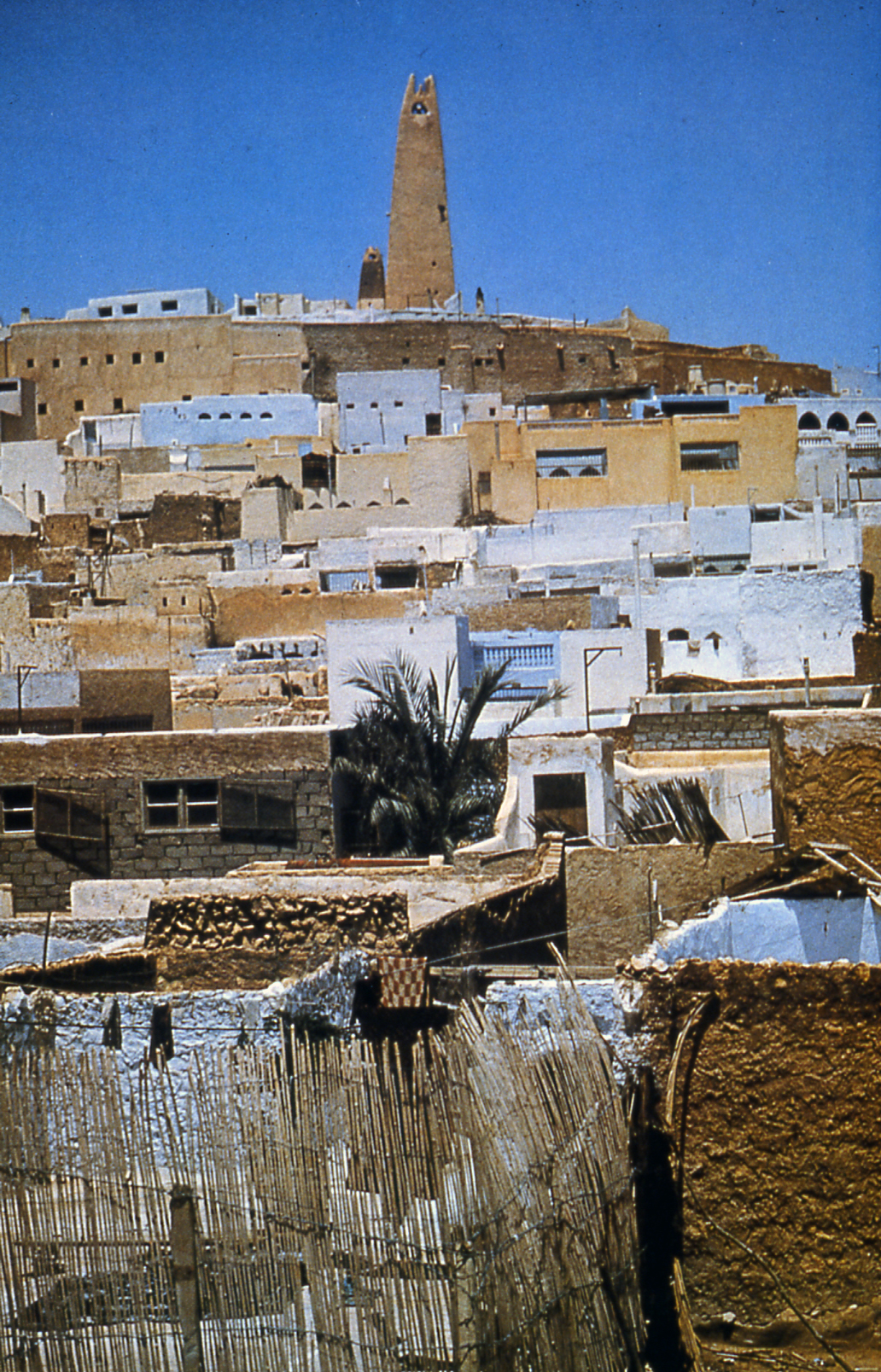
Particularly notable examples of memorable air include the surprisingly comfortable air of the Sahara and Iranian deserts, the crystal-clear air found in Berber villages in the Atlas Mountains, and the dazzling, almost unbearable air of Indian villages.
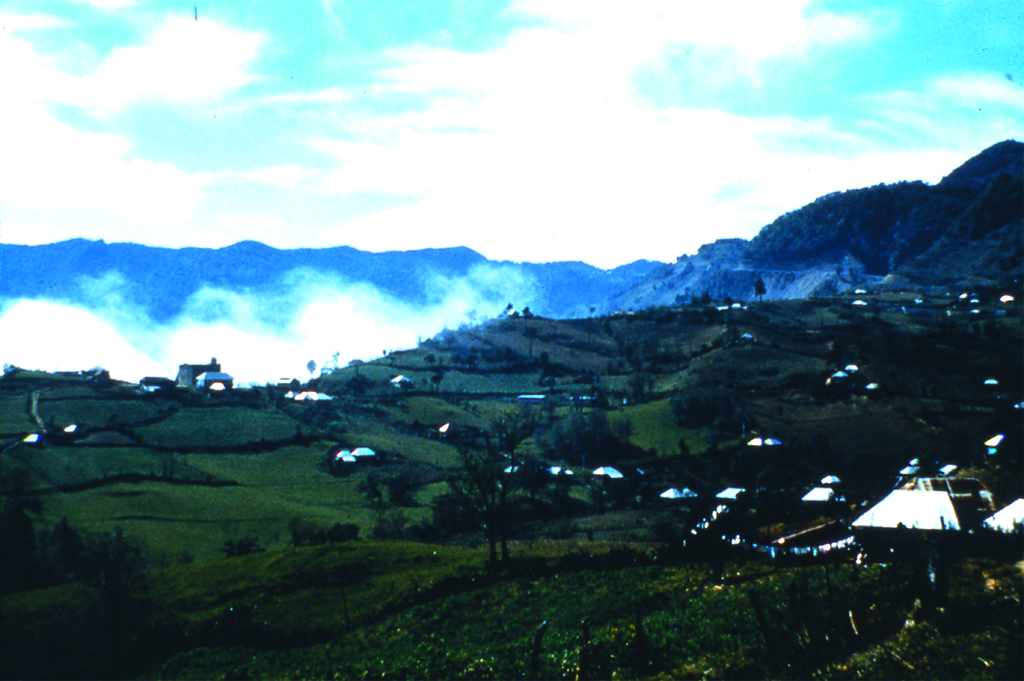
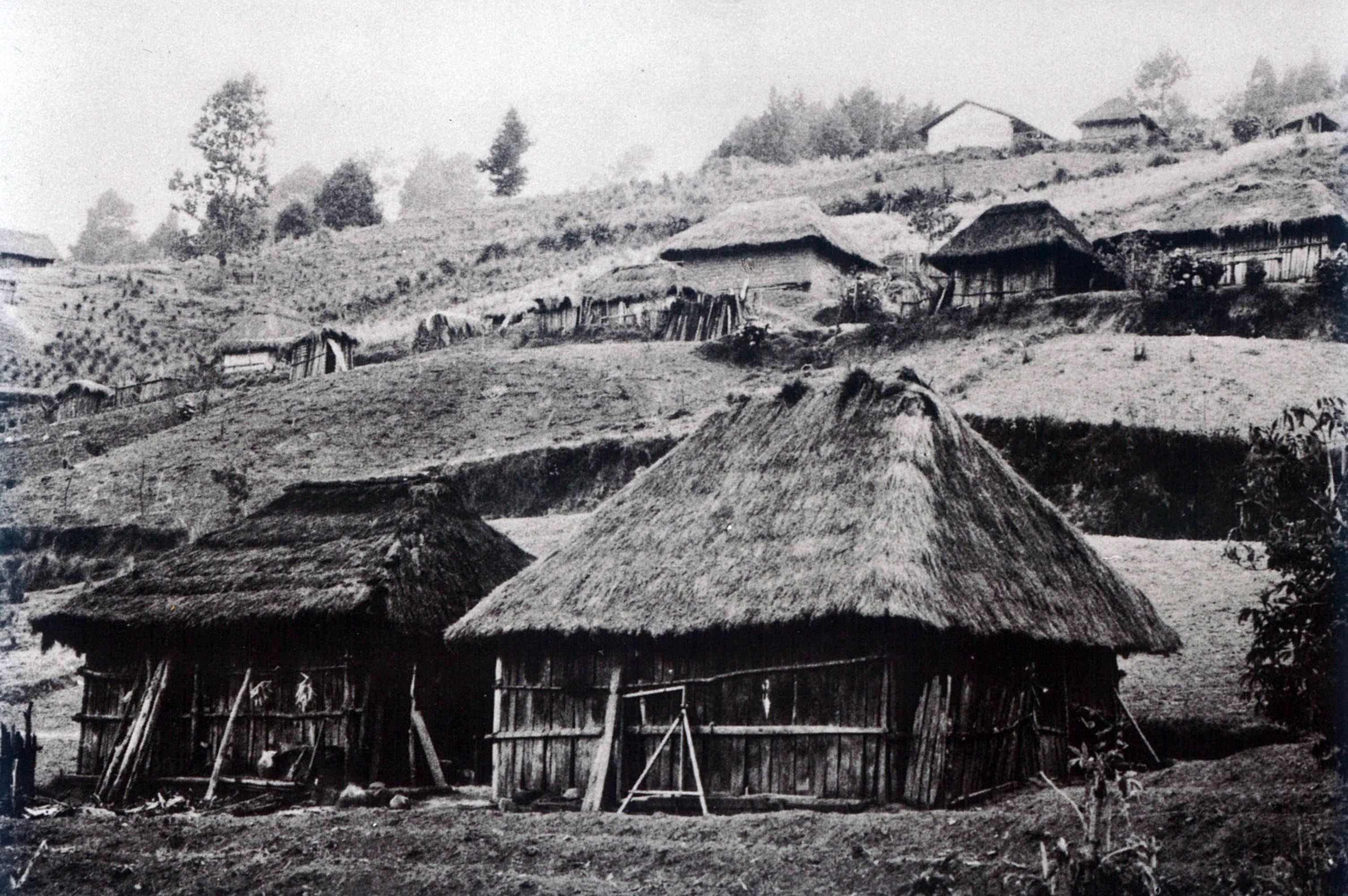
The air of a village is, in fact, a symbolic concept representing its overall atmosphere—the total condition determined by many elements. For example, the Indian villages of Central and South America, which still retain a defensive stance, or the mountain villages of Turkey with log-house styled timber buildings, each have a taut and charged air that makes outsiders hesitant to enter. The photograph shows a discrete village in Guatemala, where each household is situated within earshot of its neighbors.
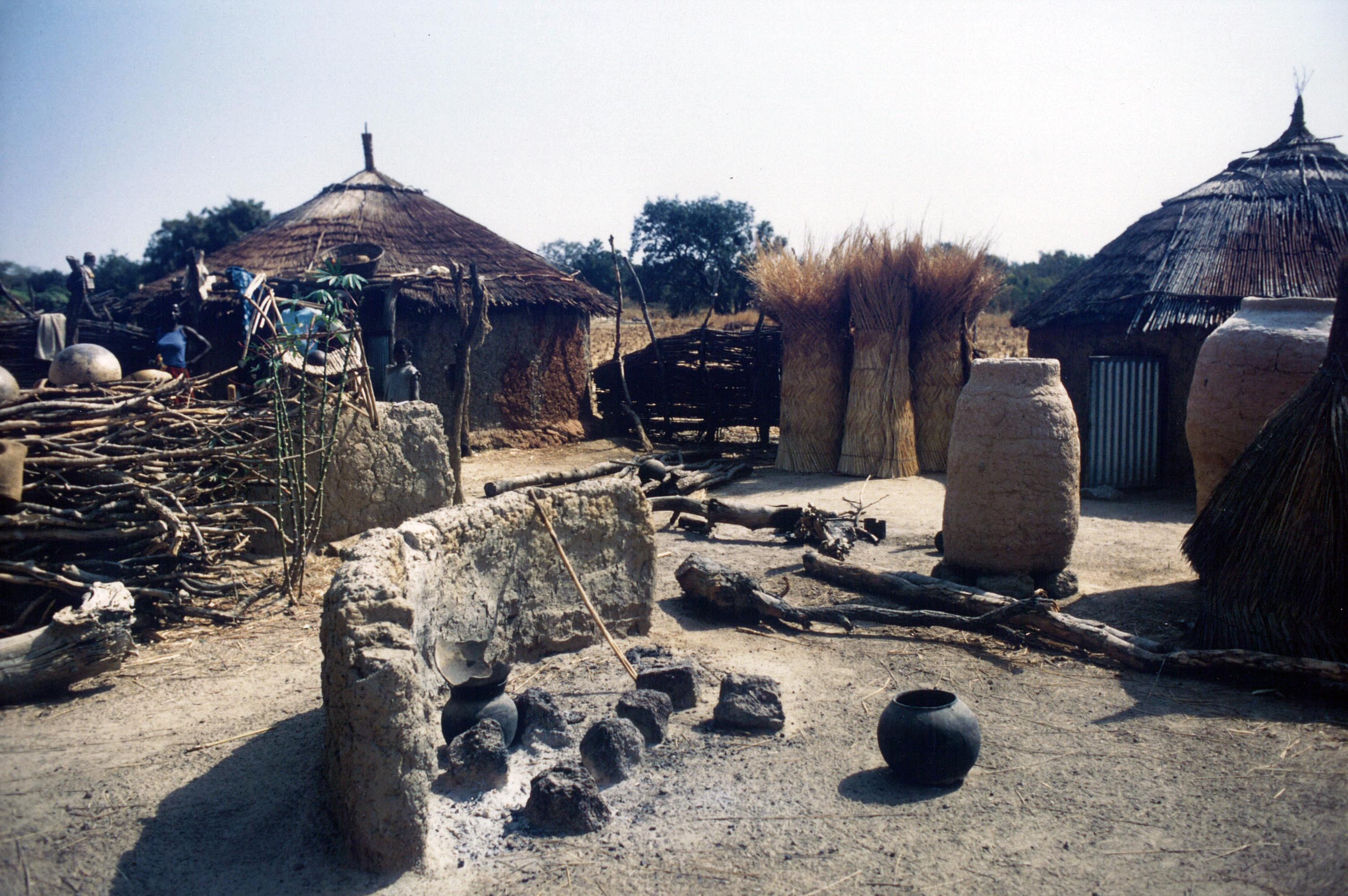
At night in African savanna villages, the sound of drums reverberates like an earth-shaking rumble—not frightening, but awakening a primal sense of existential unease, a questioning of what it means to be alive. In Bali, by contrast, a paradisiacal air pervades the island: flowers bloom in profusion, temple courtyards resonate with orchestral sounds, and a dreamlike village life unfolds.
The sense of place is thought to be achieved through this symbolic air encompassing the entire scene. Air is not an architectural concept, but refers to the quality of space as it is experienced. Therefore, designing air means designing the realized state of urban parts or architectural outcomes. The lesson of the village is that design should express an air distinct from its surroundings—and needless to say, what is required of us today is the design of contemporary air.
Poloqua, Guatemala. Photographed during a village survey in 1974; some villages documented no longer exist. © Hara Lab, Institute of Industrial Science, The University of Tokyo.
The text and accompanying images were originally published in One Hundred Lessons from Villages (Shokokusha, 1998) by Hiroshi Hara. The translation and publication on JapanStory.org was made possible with permission from Atelier Φ and the publisher of the original work, Shokokusha Publishing Co., Ltd.